


Introduction to the Ciulioneros
If the name “Ciulioneros” has caught your attention, you may be wondering where it came from and what it means. Those curious about community dynamics and subcultures have taken notice of this unusual phenomenon. However, can you tell me what Ciulioneros are? They represent an intriguing synthesis of ancient rituals, symbolic meaning, and contemporary social interaction that is still developing. This exploration of the Ciulioneros world is sure to captivate and educate you, whether you’re interested in learning about their history or finding out how you can become involved. Prepare to be engrossed in a fascinating story brimming with profound significance!
History and Origins of the Ciulioneros
The Ciulioneros have a rich and intriguing history rooted in the heart of Latin America. Emerging in the late 20th century, these groups began as a response to socio-political issues affecting communities.
Initially, they were primarily comprised of youth seeking identity and belonging. They formed small circles that celebrated cultural heritage while addressing injustices faced by their neighborhoods.
Over time, their influence grew beyond local confines. The Ciulioneros became symbols of resilience and resistance against oppression.
Drawing from indigenous traditions and modern-day activism, this movement reflects a unique blend of past and present struggles. As they evolved, so did their methods adapting to digital platforms for broader outreach.
Their origins are steeped not only in cultural pride but also in a quest for social justice a narrative that continues to resonate with new generations today.
The Meaning and Symbolism Behind the Ciulioneros
The Ciulioneros embody a rich tapestry of cultural significance. Their name, derived from indigenous roots, symbolizes resilience and community spirit.
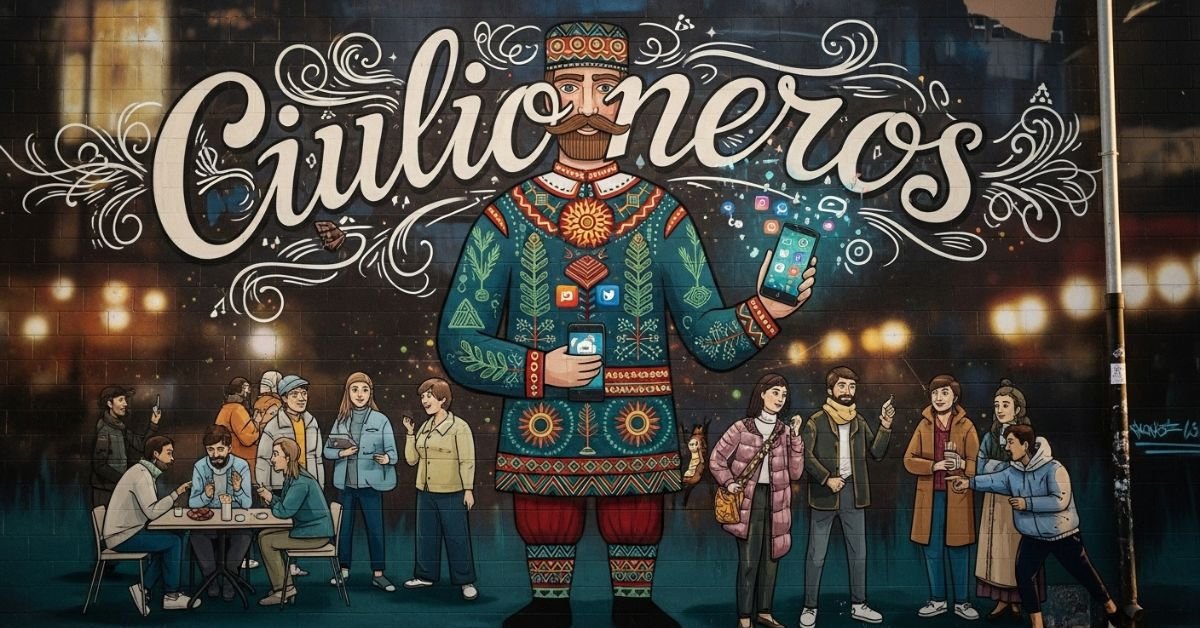
Each element associated with the Ciulioneros carries profound meaning. The costumes worn during gatherings often feature vibrant colors and intricate designs, representing life’s vitality. These visual elements reflect an unyielding connection to heritage.
Moreover, rituals performed by Ciulioneros serve as a form of storytelling. Through dance and music, they convey historical narratives that resonate deeply with participants and observers alike.
The symbolism extends beyond just aesthetics; it encapsulates a philosophy of unity among diverse communities. By embracing their identities and celebrating them openly, the Ciulioneros foster inclusivity in contemporary society.
Their presence is more than mere tradition; it’s an ongoing dialogue about identity that continues to evolve yet remains rooted in respect for history.
Modern Significance and Evolution of the Ciulioneros
The modern significance of the Ciulioneros has evolved dramatically over the years. Once rooted in tradition, today they represent a dynamic blend of culture and contemporary expression. The movement attracts youth seeking identity and community.
Social media plays a crucial role in this evolution. Platforms like Instagram and TikTok showcase vibrant visuals and stories that resonate with younger generations. This visibility fosters connections beyond geographical boundaries.
Additionally, Ciulionero groups often engage in activism, advocating for social issues such as environmental sustainability or human rights. Their influence extends into fashion, art, and music, making them a vital part of cultural conversations.
As more people become aware of their values, the movement continues to grow. New interpretations emerge while maintaining core principles that unite its members across diverse backgrounds.
How to Join or Start a Ciulionero Group
Joining or starting a Ciulionero group can be an exciting venture. Begin by researching local communities or online forums dedicated to this movement. Connecting with existing members is crucial; they can provide insight and guidance.
If you’re looking to start your own group, gather like-minded individuals who share your passion for the Ciulioneros philosophy. Consider hosting informal meetings where ideas can flow freely.
Creating a shared vision is essential. Discuss values, goals, and activities that resonate with everyone involved. Make use of social media platforms to promote your group and attract new members.
Organize events that reflect the essence of being a Ciulionero think workshops, community service projects, or cultural celebrations. This not only strengthens bonds but also raises awareness about the principles behind the movement.
Networking within broader circles will help you find support from other organizations aligned with similar ideals.
Controversies Surrounding the Ciulioneros
The Ciulioneros have not been without their share of controversies. Critics often point to the group’s secretive nature as a breeding ground for misunderstandings and suspicion. Some view this lack of transparency as problematic, raising questions about their true intentions.
Additionally, there are concerns regarding the activities that some members engage in. Instances of vandalism or aggressive behavior linked to self-identified Ciulioneros have sparked debates about safety and community identity. This has led to a polarized public opinion.
Moreover, traditionalists argue that modern interpretations of what it means to be a Ciulionero dilute its original values. As new groups emerge with varying philosophies, tension arises over who represents the true spirit of this movement.
These issues highlight ongoing struggles within the community and reflect broader societal dynamics at play, prompting many to reevaluate their associations with the term “Ciulioneros.”
Conclusion: The Future of the Ciulioneros Movement
The future of the Ciulioneros movement seems to be a blend of tradition and innovation. As more individuals seek community and connection, the appeal of joining or forming Ciulionero groups continues to grow. These gatherings not only honor historical roots but also adapt to modern values, emphasizing inclusivity and social responsibility.
With increasing awareness surrounding their cultural significance, there is potential for the Ciulioneros to evolve into a powerful platform for advocacy and change. Whether through art, music, or activism, these groups can become catalysts for important discussions in society.
As technology advances and communication becomes easier than ever before, we might see more digital platforms supporting local chapters. This could help cultivate a global network that shares ideas while respecting diverse practices among different groups.
For those intrigued by this rich heritage or who wish to contribute positively within their communities, becoming involved with the Ciulioneros presents an exciting opportunity. The journey ahead will likely reflect both individual passions and collective strength shaping what it means to be part of this enduring legacy in today’s world.