

Zoos have long been a staple of human interaction with wildlife, offering glimpses into the lives of creatures that roam our planet. But as society evolves, so too must our approach to these institutions. Enter zooskooñ a groundbreaking concept redefining how we think about ethical wildlife spaces. This innovative idea challenges the traditional zoo model and invites us to rethink our responsibilities toward animals in captivity. With mounting concerns around animal welfare and conservation efforts, it’s time for a new vision one that prioritizes both education and ethical treatment while igniting a passion for nature in visitors. Join us on this journey as we explore what zooskooñ means for the future of wildlife spaces!
The History and Evolution of Zoos
The concept of zoos dates back thousands of years, with ancient civilizations showcasing exotic animals as symbols of power and wealth. From the grand menageries of Egyptian pharaohs to the royal collections in Rome, these early displays were more about status than education or conservation.
As time passed, the purpose began to shift. The 18th century saw a rise in public interest in natural history, leading to the establishment of more structured zoological gardens. These spaces aimed to educate visitors about wildlife while fostering curiosity and appreciation for nature.
By the 20th century, zoos increasingly focused on animal welfare and global conservation efforts. Progressive thinkers advocated for larger habitats that mimic natural environments rather than sterile cages. This evolution laid the groundwork for innovative concepts like zooskooñ, which seeks to redefine our relationship with wildlife even further through ethical practices and immersive experiences.
The Controversy Surrounding Traditional Zoos
Traditional zoos have faced significant criticism over the years. The debate centers around animal welfare and ethical practices. Critics argue that these institutions often prioritize entertainment over conservation.
Many animals live in confined spaces that don’t mimic their natural habitats. This can lead to physical and psychological issues, known as zoochosis, where animals exhibit abnormal behaviors due to stress or boredom.
Activists also highlight the questionable breeding programs aimed at species preservation. They point out that many captive-bred animals cannot survive in the wild once released.
Public perception is shifting as more people demand transparency regarding animal care standards. Zoos are increasingly scrutinized for their role in educating visitors about wildlife rather than solely showcasing exotic species for amusement.
This ongoing controversy raises important questions about our responsibility toward wildlife and how we interact with them within enclosed environments.
Introducing Zooskooñ – A New Concept for Ethical Wildlife Spaces
Zooskooñ is revolutionizing the way we think about wildlife spaces. This innovative concept challenges traditional zoo models by focusing on ethical practices that prioritize animal welfare.
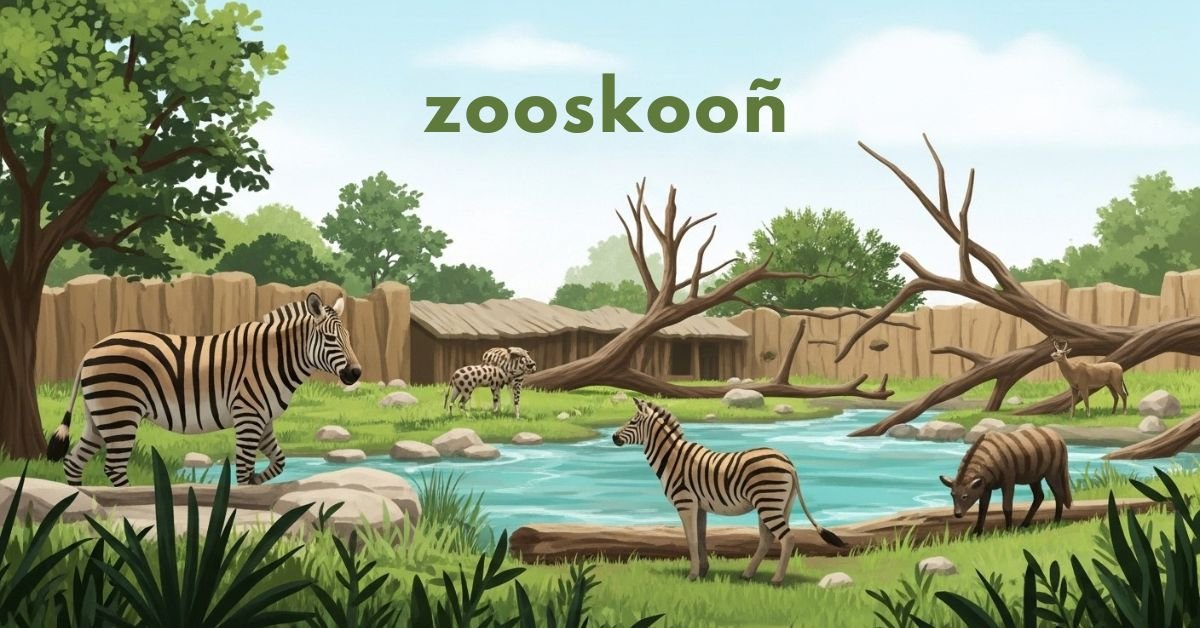
At its core, Zooskooñ embraces natural habitats tailored to each species. Enclosures are designed to mimic environments found in the wild, allowing animals to engage in instinctual behaviors. This enhances their overall well-being and quality of life.
Moreover, Zooskooñ fosters a deeper connection between visitors and wildlife. By emphasizing immersive experiences, guests can observe animals in settings that reflect their true nature. Interactive programs educate attendees about conservation efforts and the importance of preserving ecosystems.
The philosophy behind Zooskooñ encourages collaboration with local communities and organizations dedicated to wildlife protection. It’s not just about showcasing animals; it’s about creating sustainable futures for them as well as us.
How Zooskooñ Prioritizes Animal Welfare and Conservation Efforts
Zooskooñ places animal welfare at the forefront of its mission. Unlike traditional zoos, which often prioritize entertainment, Zooskooñ focuses on creating environments that mimic natural habitats. This approach helps reduce stress and promote healthy behaviors among the animals.
Conservation is also a core value. Each space within Zooskooñ is designed to educate visitors about endangered species and their ecosystems. Through informative displays and guided tours, guests learn how they can contribute to conservation efforts.
Moreover, partnerships with wildlife organizations enable active participation in breeding programs for threatened species. This collaborative effort ensures that animals not only thrive in captivity but may eventually be reintroduced into their natural habitats.
By prioritizing both welfare and conservation, Zooskooñ paves the way for a more ethical relationship between humans and wildlife while fostering awareness about global environmental issues.
Engaging and Educational Experiences for Visitors at Zooskooñ
At Zooskooñ, the visitor experience goes beyond mere observation. Interactive exhibits invite guests to engage with wildlife in meaningful ways.
Imagine feeding a giraffe or participating in conservation workshops designed for all ages. These hands-on experiences foster a deeper connection between people and animals.
Educational programs are tailored to inform visitors about biodiversity and habitat preservation. Guided tours led by knowledgeable staff ensure that every guest leaves with new insights on animal behavior and ecological challenges.
Technology enhances these encounters as well. Virtual reality simulations allow visitors to explore habitats from the comfort of their own space while learning about endangered species’ struggles.
This immersive approach promotes empathy towards wildlife, encouraging proactive steps toward conservation efforts long after leaving Zooskooñ’s grounds. Each visit becomes an opportunity for personal growth in understanding our planet’s diverse creatures.
The Future of Zoos: Will Zooskooñ Revolutionize the Industry?
The future of zoos is at a crossroads, and the emergence of Zooskooñ signals a transformative shift. Traditional models have often faced scrutiny for their ethical implications. Zooskooñ aims to change this narrative.
By prioritizing both animal welfare and conservation, it introduces a fresh perspective on how wildlife spaces can operate. This model encourages more natural habitats that align with animals’ needs.
Moreover, Zooskooñ emphasizes education as key to fostering empathy and understanding among visitors. Interactive experiences allow guests to engage with wildlife in meaningful ways.
As awareness grows about environmental issues, innovations like Zooskooñ may pave the way for sustainable practices within the industry. The call for reform is louder than ever, and many are ready to embrace new ideas that prioritize ethics alongside enjoyment.
Could Zooskooñ set the standard for future wildlife spaces? Only time will tell what impact it will leave on traditional zoo concepts.
Conclusion
Zooskooñ represents a significant shift in how we view wildlife spaces. As traditional zoos face scrutiny for their treatment of animals and relevance, Zooskooñ offers an innovative approach that prioritizes ethical considerations and conservation. This fresh perspective not only aims to enhance animal welfare but also emphasizes the importance of education and engagement for visitors.
With its commitment to creating environments that mimic natural habitats, Zooskooñ seeks to redefine what it means to care for wildlife while fostering a deeper connection between humans and nature. The potential impact on conservation efforts could be profound, inspiring future generations to value biodiversity and advocate for sustainable practices.
As discussions about the role of zoos continue, Zooskooñ stands at the forefront of this transformation. It invites us all to rethink our relationship with wildlife challenging norms while offering hope for a more compassionate future in which both animals and people can thrive together.