


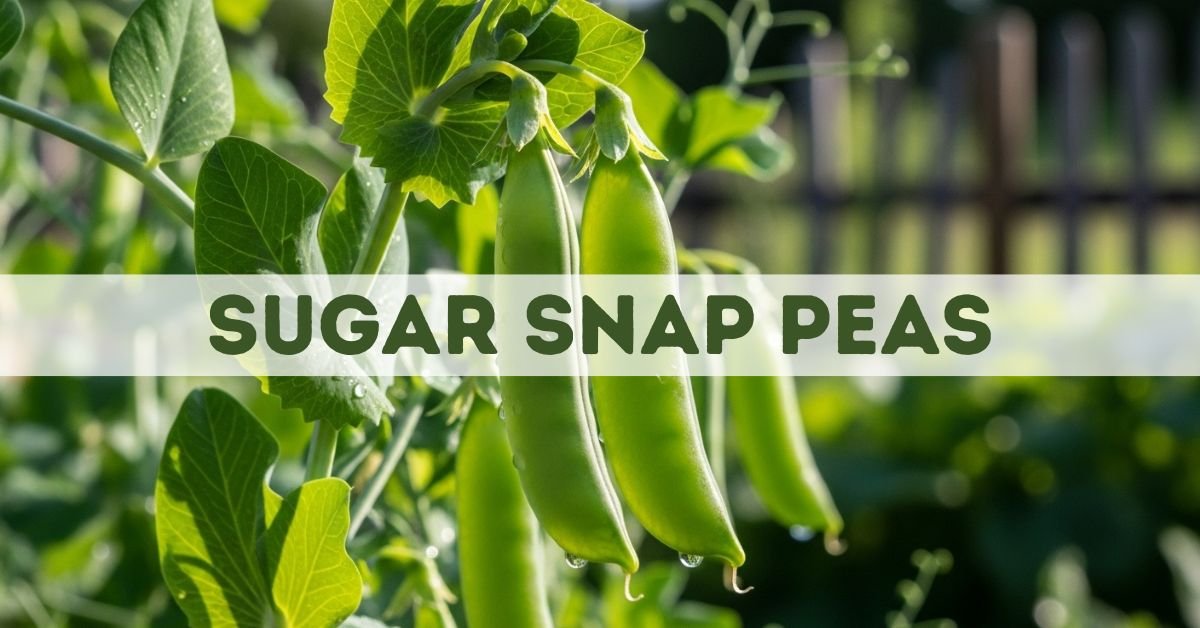
Envision yourself biting into a garden-fresh sugar snap pea, all crisp and delicious. When you cultivate your own food, there’s no better feeling than that. Sugar snap peas are great for first-time gardeners and seasoned green thumbs alike since they are both delicious and easy to grow. These verdant pods are a nutritional and taste powerhouse, perfect for growing your own vegetables or just snacking on on the go.
From planting advice and soil preparation to pest control and tasty recipes, this book has you covered for sugar snap pea gardening. The key to crispy success is about to be revealed, so get ready to dive in!
Benefits of Growing Sugar Snap Peas
If you’re looking for a way to spice up your gardening routine, consider growing sugar snap peas. First of all, these verdant pods are nutrition dense; they’re a great way to get your daily dose of fiber and vitamins A and C. Adding them to your diet can improve your health in general.
Additionally, they mature rapidly, which is great news for gardeners who are impatient and want to see results right away. In as little as a few months, you can have garden-fresh vegetables in your own backyard.
One further perk is how versatile they are in the kitchen. Raw sugar snap peas are a delicious addition to salads, stir-fries, or just eaten on their own.
Beyond their culinary uses, these plants are well-known for their ability to ward against pests while drawing in beneficial insects, such as pollinators. The garden’s environment is enhanced and plant health is enhanced all season long by this mutually beneficial interaction.
When and Where to Plant Sugar Snap Peas
Planting sugar snap peas at the right time is essential. Temperatures between 45 and 75 degrees Fahrenheit are ideal for these cool-weather crops. It is best to sow them in the early spring, around two weeks prior to your area’s last frost date.
Locate it such that it receives six or more hours of sunshine per day. Sugar snap peas thrive in organic, well-drained soil. To keep the soil healthy, you can rotate their placement every year if you have enough room.
Another option, if your environment allows it, is to grow a second crop in late summer to harvest in the fall. Keep out of extremely hot weather, since it stunts growth and reduces sweetness, and make sure circumstances are still good.
If you’re short on room on the ground, think about utilizing raised beds or containers; these will provide you better drainage and make it easier to reach your plants.
Preparing the Soil for Optimal Growth
To ensure sugar snap peas thrive, soil preparation is key. Find a spot that gets enough of sunshine and has good drainage first. Full sun, or at least six hours of direct light every day, is ideal for sugar snap peas.
After that, you should check the pH of your soil; the ideal range is 6.0 to 7.5. If needed, enrich the soil with lime to increase its pH or sulfur to decrease it.
To prepare the soil for planting, add organic materials such as compost or manure that has broken down. This enhances nutrient enrichment, drainage, and aeration simultaneously.
Till or use a garden fork to loosen the top two inches of dirt; don’t compress it; crumbly is better. A flexible texture encourages healthy growth all season long by letting roots penetrate readily.
To ensure the best possible growing conditions for your little peas, wait until your prepared bed has settled before planting seeds.
Caring for Your Sugar Snap Pea Plants
A plentiful harvest of sugar snap peas is guaranteed with proper plant care. Particularly during periods of drought, it is essential to water regularly. Make sure the soil stays wet but not soggy.
Retaining soil moisture and suppressing weeds are two benefits of mulching around plant bases. Mulch made of organic materials, like straw or crushed leaves, is ideal.
Providing trellises or supports for climbing kinds allows these peas to enjoy optimum air circulation. In addition to keeping them off the floor, this encourages better development.
You need to be careful when fertilizing since an excess of nitrogen might cause your plants to produce more leaves than pods. Strong growth may be fostered using a balanced organic fertilizer that is administered sparingly.
You should check your plants for pests and illnesses every day. Making sure they stay healthy and productive all season long requires early detection.
Harvesting and Storing Your Peas
It is a joy to harvest sugar snap peas. When the pods are solid and full of juicy peas, you may harvest them from their verdant foliage. This often happens between sixty and seventy days following sowing.
To remove the pod from the vine, gently hold its stem and pull it downwards. While you’re doing this, be cautious not to hurt any nearby plants or flowers.
You should use a paper bag or a perforated plastic bag to keep your sugar snap peas after harvesting as they allow air to circulate. This keeps them from getting soggy and keeps their crisp texture.
You may extend their freshness by storing them in the fridge, but to get their full crunch and taste, eat them within a week. If you happen to have an overabundance of produce, blanch and freeze some of it for later use!
Common Pests and Diseases to Watch Out For
Despite its hardiness, sugar snap peas are susceptible to a number of pests and illnesses. One of the most prevalent causes is the aphid. These little bugs cause plants to develop too slowly because they feed on plant sap.
Pea weevils are another potential danger. They destroy your crop by laying eggs in the pods. These annoying invaders need your attention.
Spots of white mold, known as powdery mildew, can develop on leaves, particularly in damp environments. To avoid this problem, make sure there is enough airflow around your plants.
Too much water in the soil or an absence of drainage can cause root rot. Plants can’t withstand stress without robust roots.
If you want your sugar snap peas to be healthy and flourishing, you need to check on them often.
Delicious Ways to Enjoy Your Freshly Grown Sugar Snap Peas
Sweet and crunchy, freshly picked sugar snap peas are the perfect snack. The uncooked state is one of the most basic ways to savor them. For a revitalizing snack, simply rinse and eat.
Sauté garlic and olive oil-soaked sugar snap peas for a quick side dish. This not only adds an aromatic touch but also enhances their inherent flavor.
For a change of pace, try adding them to salads. You can’t go wrong with nuts, vinaigrettes, and mixed greens with these.
If you’re feeling adventurous, try blanching them briefly before tossing into stir-fries or grain bowls. Their verdant hues will provide a splash of color to any dish.
Is there another possibility? Make pesto by blending them! Combine sugar snap peas with basil, Parmesan cheese, nuts, and olive oil for a unique twist on this classic sauce.
Don’t forget about incorporating these sweet gems into pasta dishes or as toppings on pizzas for added crunch!
Conclusion
A delightful addition to any garden or kitchen, sugar snap peas are a labor-of-love project. A lovely addition to any vegetable patch, these beans have a sweet flavor, a crunchy texture, and many health advantages. The key to a successful harvest is knowing when to sow your seeds, how to amend your soil, and how to nurture your plants as they mature.
Be vigilant in your search for any pests or diseases that might harm your harvest. If you are careful, you will have plenty of tasty sugar snap peas to harvest. These peas have limitless potential in the kitchen, whether eaten raw or cooked in a variety of ways.
If you give it the attention it needs, you may harvest tons of this delicious delight in no time. Get your hands dirty and plant some sugar snap peas in your yard right now!